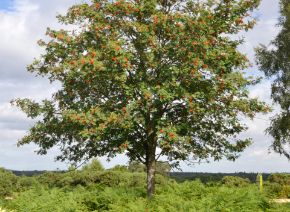
Rowan
(Sorbus aucuparia)
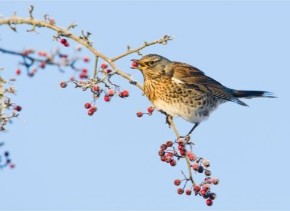
The bright-red berries are a rich source of food for birds, especially thrushes, redstarts and waxwing.
Growth and size
Mature height: 15m.
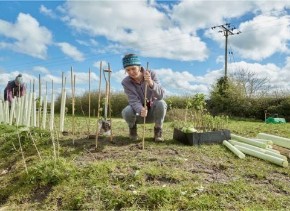
Supplied as 20-50cm cell-grown saplings.
Can be planted all year round with proper care.
Value to wildlife
Source of pollen and nectar for bees and other pollinators.
Host plant for moth caterpillars such as the larger Welsh wave and autumn green carpet.
Berries are eaten by thrushes.
Soil and conditions
Grows in most soils.
Prefers light, well-drained and humus-rich conditions.
Silver birch
(Betula pendula)
Provides food and habitat for more than 300 insect species. Woodpeckers and other hole-nesting birds often nest in the trunk.
Growth and size
Mature height: 25m.
Supplied as 20-50cm cell-grown saplings.
Can be planted all year round with proper care.
Value to wildlife
Seeds are eaten by long-tailed tits, siskin, greenfinch and redpolls.
Food plant for a number of insects.
Soil and conditions
Prefers sandy or acidic soils.
Will grow in most conditions.
Field maple
(Acer campastre)
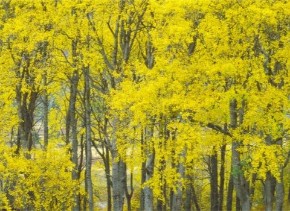
This compact tree has attractive five-lobed leaves that turn a rich golden yellow in autumn.
Growth and size
Mature height: 20m.
Supplied as 20-50cm cell-grown saplings.
Can be planted all year round with proper care.
Value to wildlife
Leaves are eaten by aphids, who attract predators including ladybirds, hoverflies and birds.
Food plant of several moths, including sycamore moth, mocha, maple pug, small yellow wave, the prominent and maple prominent.
Flowers are a source of nectar and pollen for bees.
Birds and small mammals eat the fruit.
Soil and conditions
Grows well on most sites, except particularly waterlogged soils.
Wild cherry
(Prunus avium)
Produces beautiful blossom in spring and bright fruits in summer.
Growth and size
Mature height: 25m.
Supplied as 20-50cm cell-grown saplings.
Can be planted all year round with proper care.
Value to wildlife
Early source of nectar and pollen for insects including bees.
Cherries are eaten by birds.
Soil and conditions
Grows best in full sun and fertile soil.
Won't tolerate waterlogged soil.
Best planted in a sheltered spot.