Silver birch
(Betula pendula)
A graceful tree with light, triangular-shaped leaves and distinctive, silvery-white peeling bark.
Growth and size
Mature height: 25m.
Supplied as 20-50cm cell-grown saplings.
Can be planted all year round with proper care.
Value to wildlife
Seeds are eaten by long-tailed tits, siskin, greenfinch and redpolls.
Food plant for more than 300 species of insect.
Soil and conditions
Prefers sandy or acidic soils.
Will grow in most conditions.
Hazel
(Corylus avellana)
Downy leaves, springtime catkins (known as lambstails) and shiny brown nuts in autumn.
Growth and size
Mature height: 8m.
Supplied as 20-50cm cell-grown saplings.
Can be planted all year round with proper care.
Value to wildlife
Source of early pollen for bees.
Host plant for moth caterpillars such as the large emerald and barred umber.
Nuts are a favourite food of birds and mammals, including hazel dormice.
Soil and conditions
Tolerates shade in non-acidic, well-drained soils.
Can be planted as part of a native hedgerow.
Hawthorn
(Crataegus monogyna)
IMPORTANT NOTE: Hawthorn is versatile and can be planted as both a single tree and in hedgerows. To get the best out of it as a hedgerow plant, saplings are cut back to grow thicker and bushier. If you’d like it to grow straight and upright again, choose a central shoot and cut back any competing shoots as it begins to flourish.
Produces white-pink blossom in May that becomes ruby-red berries, called haws, in summer.
Growth and size
Mature height: 10m.
Growth rate: 40-60cm per year.
Supplied as 20-50cm cell-grown saplings.
Can be planted all year round with proper care.
Value to wildlife
Supports more than 300 species of insect.
Flowers are eaten by dormice.
Source of pollen and nectar for bees and other pollinators.
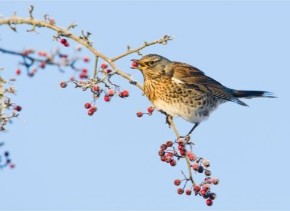
Haws are eaten by migrating birds such as redwings.
Soil and conditions
Shade-tolerant.
Prefers non-acidic, well-drained, moist soils.
Can be planted as part of a native hedgerow.
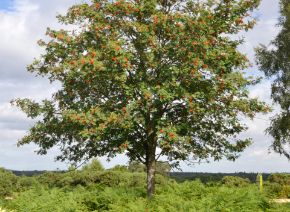
Rowan
(Sorbus aucuparia)
Creamy-white springtime flowers transform into vibrant orange-red berries in autumn.
Growth and size
Mature height: 15m.
Supplied as 20-50cm cell-grown saplings.
Can be planted all year round with proper care.
Value to wildlife
Source of pollen and nectar for bees and other pollinators.
Host plant for moth caterpillars such as the larger Welsh wave and autumn green carpet.
Berries are eaten by thrushes.
Soil and conditions
Grows in most soils.
Prefers light, well-drained and humus-rich conditions.
Dogwood
(Cornus sanguinea)
Creamy white flowers in spring, red leaves and black berries in autumn, and shimmering crimson and orange stems in winter.
Growth and size
Mature height: 4m.
Supplied as 20-30cm cell-grown saplings.
Can be planted all year round with proper care.
Value to wildlife
Food plant of some moths, including the case-bearer moth.
Flowers provide nectar and pollen for insects.
Berries are eaten by many mammals and birds.
Soil and conditions
Very hardy.
Grows well in sun or partial shade in a range of soils.
Wild cherry
(Prunus avium)
Produces beautiful blossom in spring and bright fruits in summer.
Growth and size
Mature height: 25m.
Supplied as 20-50cm cell-grown saplings.
Can be planted all year round with proper care.
Value to wildlife
Early source of nectar and pollen for insects including bees.
Cherries are eaten by birds.
Soil and conditions
Grows best in full sun and fertile soil.
Won't tolerate waterlogged soil.
Best planted in a sheltered spot.