Hazel
(Corylus avellana)
Downy leaves, springtime catkins (known as lambstails) and shiny brown nuts in autumn.
Growth and size
Mature height: 8m.
Supplied as 20-50cm cell-grown saplings.
Can be planted all year round with proper care.
Value to wildlife
Source of early pollen for bees.
Host plant for moth caterpillars such as the large emerald and barred umber.
Nuts are a favourite food of birds and mammals, including hazel dormice.
Soil and conditions
Tolerates shade in non-acidic, well-drained soils.
Can be planted as part of a native hedgerow.
Hawthorn
(Crataegus monogyna)
Produces white-pink blossom in May that becomes ruby-red berries, called haws, in summer.
Growth and size
Mature height: 10m.
Supplied as 20-50cm cell-grown saplings.
Can be planted all year round with proper care.
Value to wildlife
Supports more than 300 species of insect.
Flowers are eaten by dormice.
Source of pollen and nectar for bees and other pollinators.
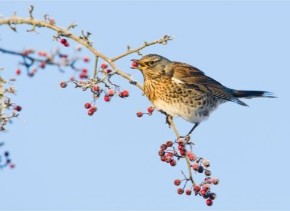
Haws are eaten by migrating birds such as redwings.
Soil and conditions
Shade-tolerant.
Prefers non-acidic, well-drained, moist soils.
Can be planted as part of a native hedgerow.
Crab apple
(Malus sylvestris)
Sweet-smelling spring blossom and rosy, crunchy, tart autumn apples that are perfect for jams and jellies.
Growth and size
Mature height: 10m.
Supplied as 20-50cm cell-grown saplings.
Can be planted all year round with proper care.
Value to wildlife
Source of early pollen for bees and other insects.
Apples are eaten by birds including thrushes.
Also enjoyed by mammals including badgers, voles and mice.
Soil and conditions
Tolerates most soil types and dryness.
Prefers sun or semi-shade.
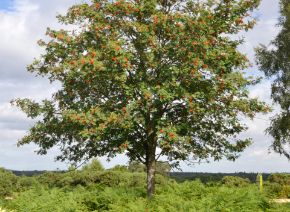
Rowan
(Sorbus aucuparia)
Creamy-white springtime flowers transform into vibrant orange-red berries in autumn.
Growth and size
Mature height: 15m.
Supplied as 20-50cm cell-grown saplings.
Can be planted all year round with proper care.
Value to wildlife
Source of pollen and nectar for bees and other pollinators.
Host plant for moth caterpillars such as the larger Welsh wave and autumn green carpet.
Berries are eaten by thrushes.
Soil and conditions
Grows in most soils.
Prefers light, well-drained and humus-rich conditions.
Blackthorn
(Prunus spinosa)
A spiny, densley branched tree that produces white flowers in early spring and purple-black fruits (sloes) in late summer.
Growth and size
Mature height: 4m.
Supplied as 20-50cm cell-grown saplings.
Can be planted all year round with proper care.
Value to wildlife
Early source of nectar and pollen for bees and other insects.
Food plant of lackey, magpie, swallow-tailed and yellow-tailed moths, as well as black and brown hairstreak butterflies.
Birds often nest among the dense, thorny thickets.
Soil and conditions
Grows in moist, well-drained soil.
Prefers full sunlight.
Dog rose
(Rosa canina)
A shrub with pale pink flowers in spring and glossy rose hips in autumn.
Growth and size
Mature height: 1.5m.
Supplied as 20-30cm cell-grown saplings.
Can be planted all year round with proper care.
Value to wildlife
Source of nectar for insects.
Hips are eaten by birds and mammals.
Soil and conditions
Prefers full sun and moderately fertile, moist and well-drained soil.
Tolerates poor soil.
Apply a balanced fertiliser and mulch in late winter or early spring.
Goat willow
(Salix caprea)
In spring, produces male catkins that look like cats' paws.
Growth and size
Mature height: 15m.
Supplied as 20-30cm cell-grown saplings.
Can be planted all year round with proper care.
Value to wildlife
Leaves are eaten by lots of insects.
Food plant of the elusive purple emperor butterfly.
Soil and conditions
Prefers damper areas around ponds or water.