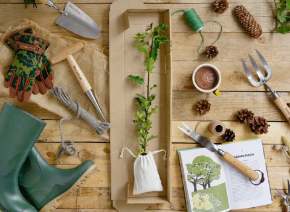
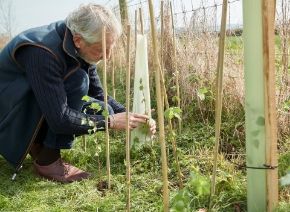
Important note: Please note that some of our taller saplings are carefully trimmed before dispatch so they fit safely inside their boxes without being bent or damaged in transit. This won’t harm the plant, but it could encourage thicker and bushier growth. If you prefer your sapling to grow straight and upright, choose a strong central shoot as it begins to flourish and cut back any competing shoots to encourage it to become the main stem.
About elder
(Sambucus nigra)
A small tree, popular with gardeners, with clusters of fragrant flowers in spring and juicy black berries in late summer.
Please note: all parts of the plant are mildly poisonous and should be cooked before eating.
Growth and size
Mature height: 10m.
Growth rate: 30-60cm per year.
Supplied as 15-30cm cell-grown saplings.
Can be planted all year round with proper care.
Value to wildlife
The flowers provide nectar for insects.
The berries are eaten by birds and mammals.
Dormice and bank voles eat the berries and flowers.
Food plant of moth caterpillars, including the white spotted pug, swallowtail, dot moth and buff ermine.
Soil and conditions
Grows everywhere, except on sand.
Prefers rich, fertilised soils.
Grown responsibly
UK sourced and grown (UKISG certified).
Reduces risk of spreading pests and diseases.
Delivered in 100% recyclable LDPE wrap.
Did you know?
It was once believed that if you burned elder wood you would see the devil, but if you planted elder by your house it would keep the devil away.
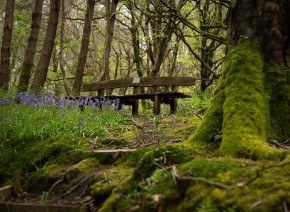
In folklore, it's said that if you stand under an elder tree at Midsummer, you'll see the fairies.
The flowers can be used to make elderflower cordial while the berries are rich in vitamin C and are used to make preserves and wine.